


 English

News
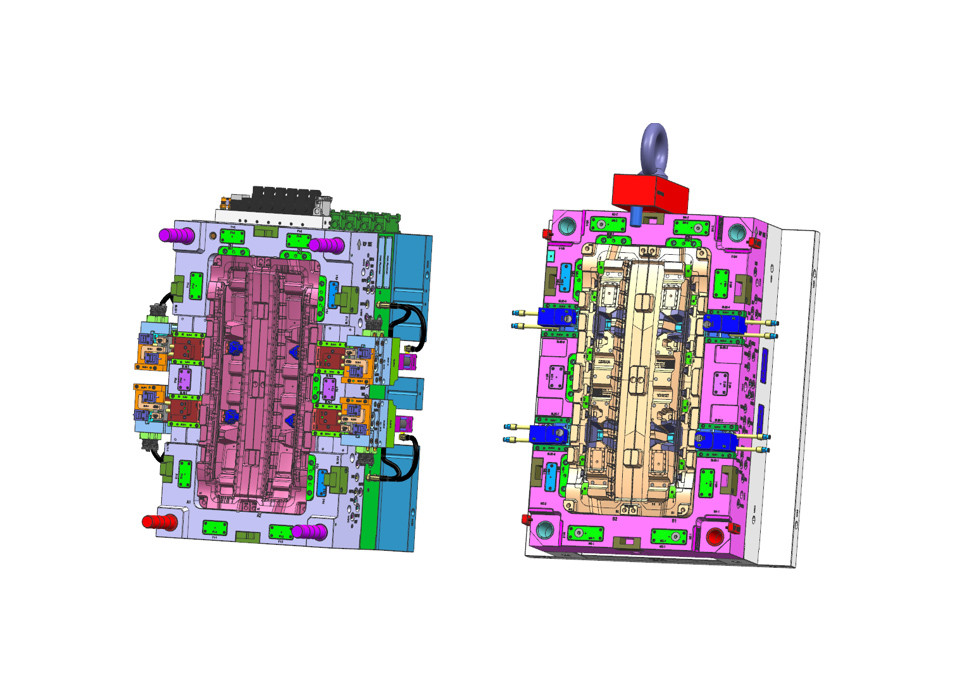
Mold flow analysis is the cheapest place to find a filling problem, before the steel is cut. This guide explains what a mold flow study actually predicts, when it is worth paying for, what its limits are, and what to send to get one you can act on.
View More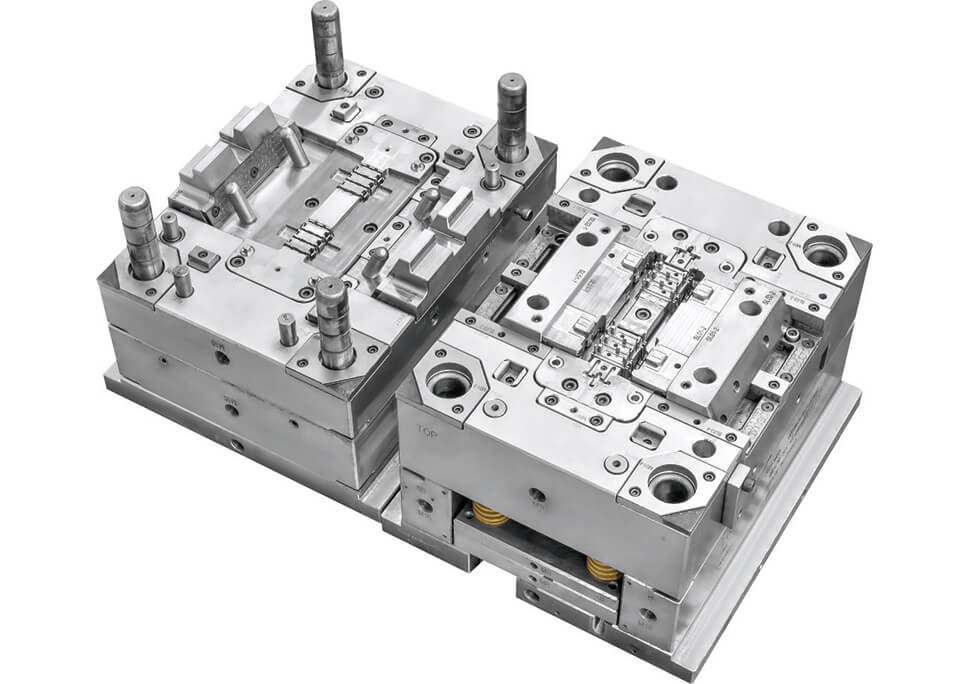
Injection molding holds tighter tolerances than most buyers expect, but only on the dimensions the tool and the process actually control. This guide explains the standard tolerance grades, the values a custom mold can realistically hold, and how to specify them.
View More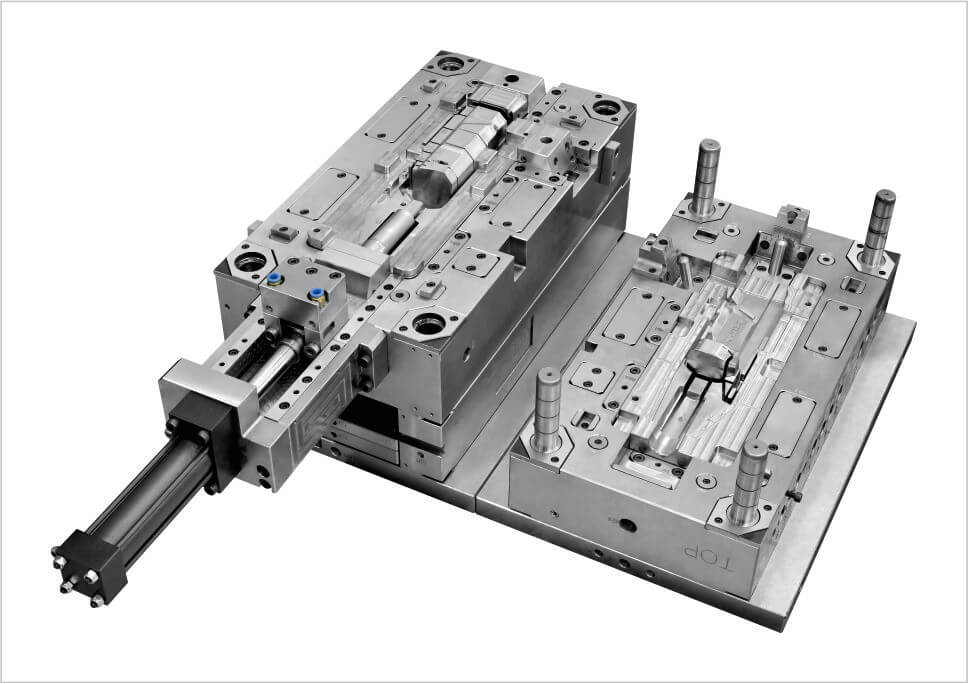
A mold trial is the last point at which a tooling problem is cheap to fix. This guide explains what happens during a mold trial, what to check on the first samples, what a trial report should contain, and when to approve a tool for production.
View More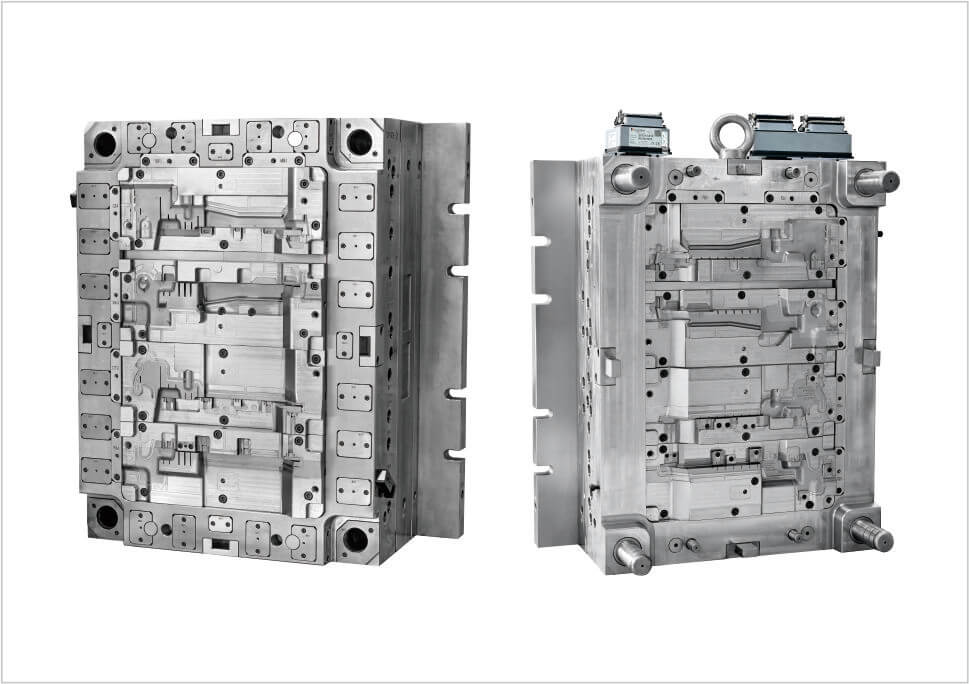
Two suppliers can quote the same part and come back with numbers that differ by a factor of three. This guide explains why injection mold quotes diverge, what a complete quote should itemise, and how to compare quotes line by line.
View More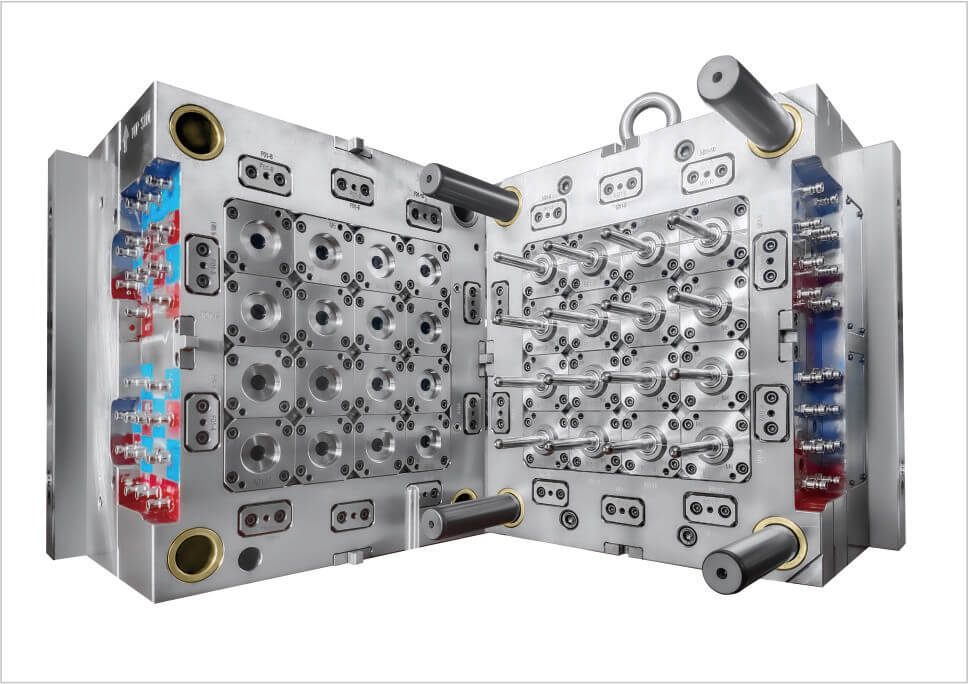
Medical plastic parts are not judged on appearance. This guide explains what makes medical injection molding different, which materials and tooling it requires, and how to evaluate a supplier before you commit a program to them.
View More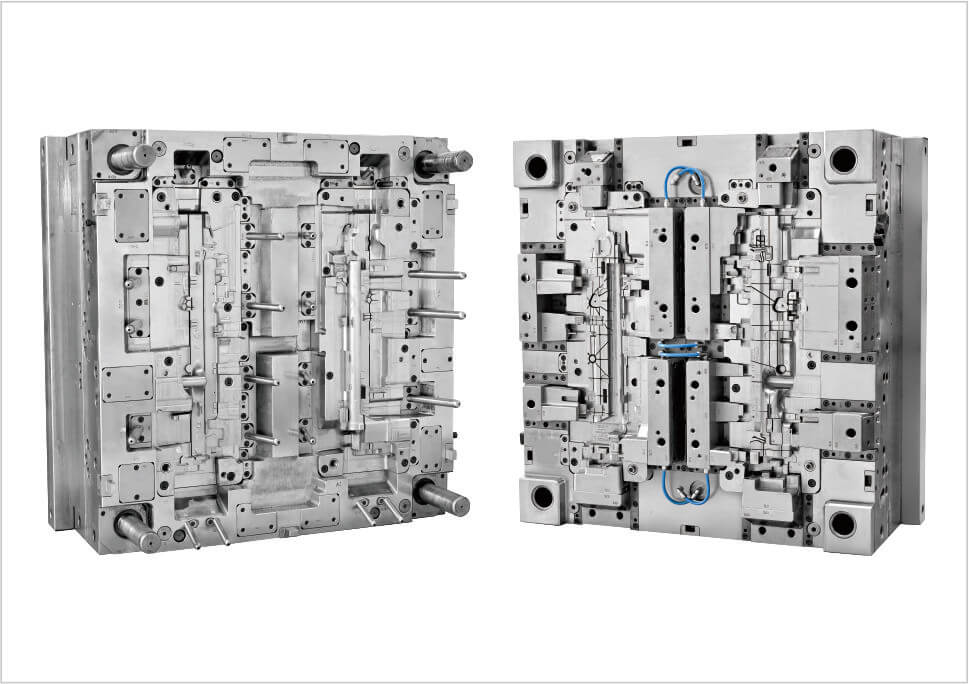
Automotive tooling is judged on repeatability, not sample quality. This checklist covers mold flow analysis, steel selection, dimensional stability, process capability and documentation that buyers should verify before placing a tooling order.
View More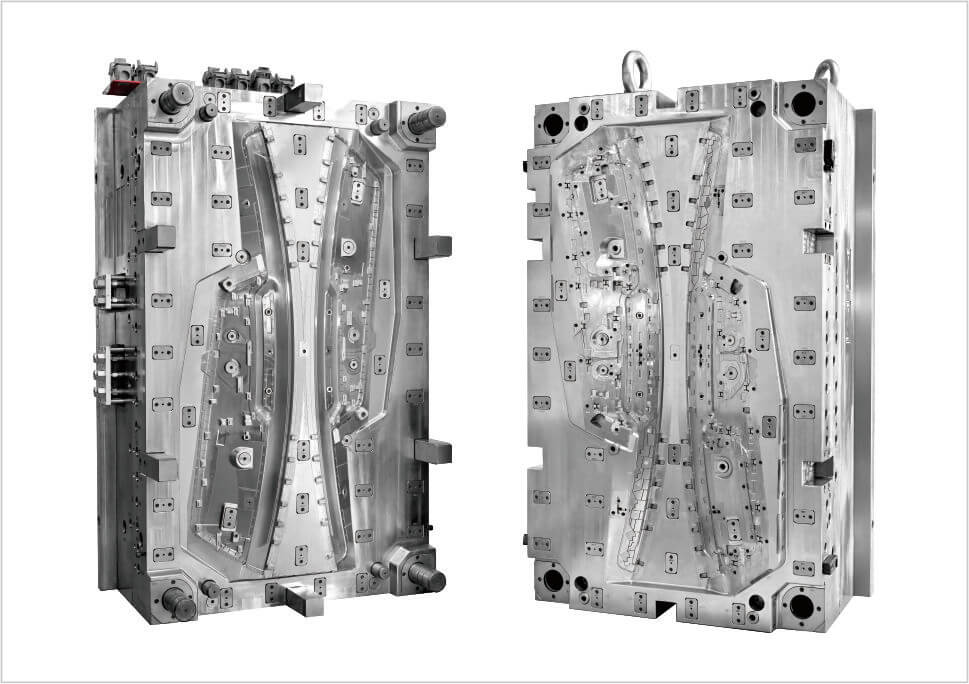
Two-shot molding and overmolding both combine two plastics in one part, but they work very differently. This guide compares bonding strength, tooling cost, cycle time and material compatibility, and explains how to choose between them for multi-material parts.
View More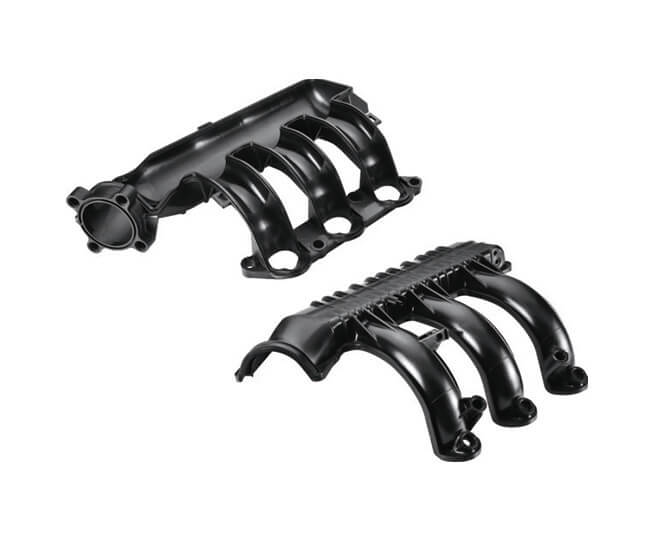
A 2K mold produces two-color or two-material parts in a single cycle. This guide explains how two-shot injection molding works, when a 2K mold beats a single-color mold, and how to choose a 2K mold manufacturer for automotive and medical parts.
View More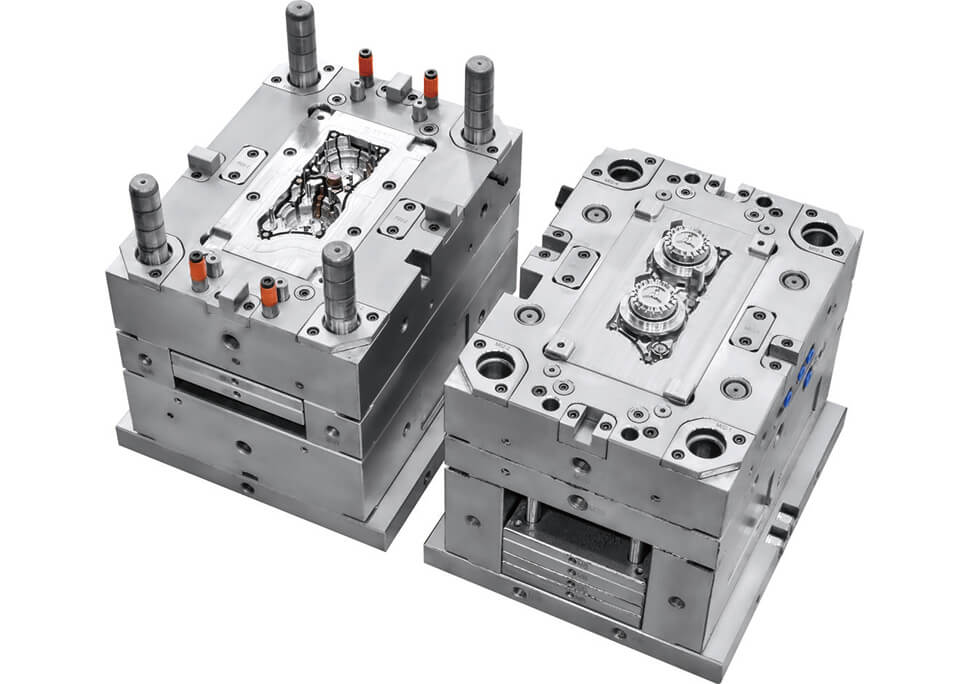
A collapsible core lets a mold release internal threads and undercuts without unscrewing. This guide explains how collapsible core injection molding works, the main core designs, when to use them, and how they compare with unscrewing molds.
View More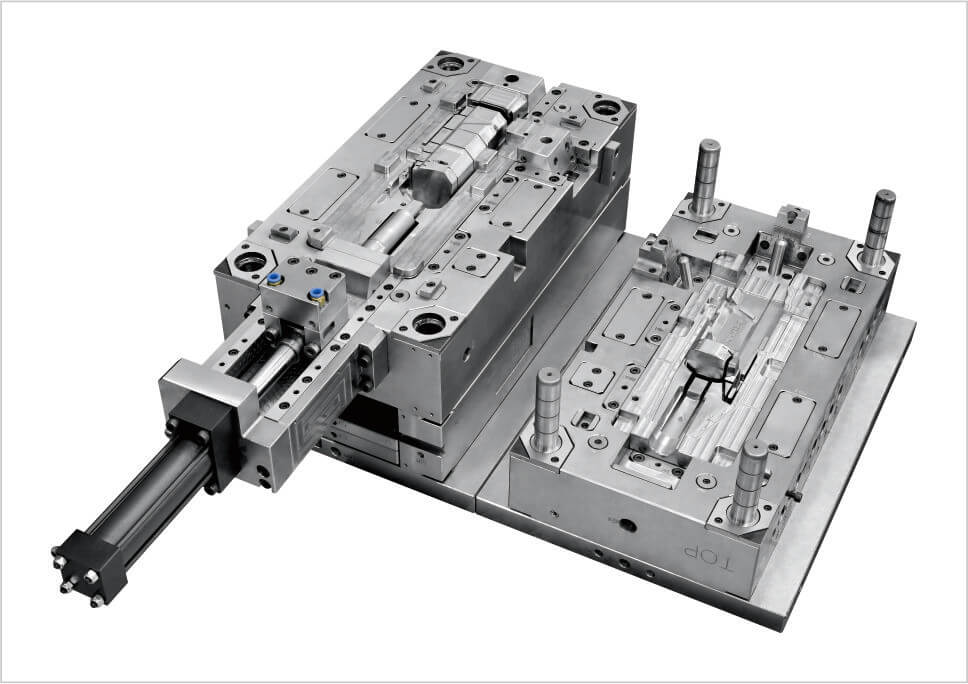
An unscrewing mold uses a rotating core to release internal threads on plastic parts. This guide explains how the unscrewing mechanism works, the main drive designs, when to use it, and how to choose an unscrewing mold supplier for caps, closures, and threaded components.
View More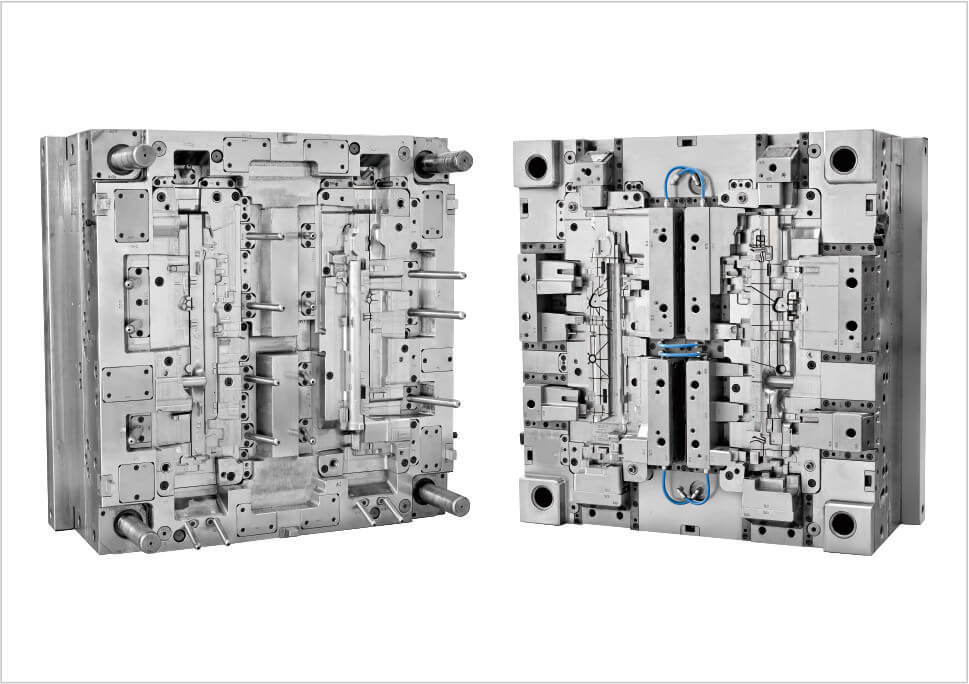
What makes automotive structural mold parts reliable, covering steel selection, dimensional stability, and CMM inspection for lining and carrier frame components.
View More
What makes automotive valve block, manifold plate, and air duct molds precise, covering internal channel accuracy, mold-flow design, and CMM inspection for fluid and HVAC components.
View More